Bloggen gen gen gen
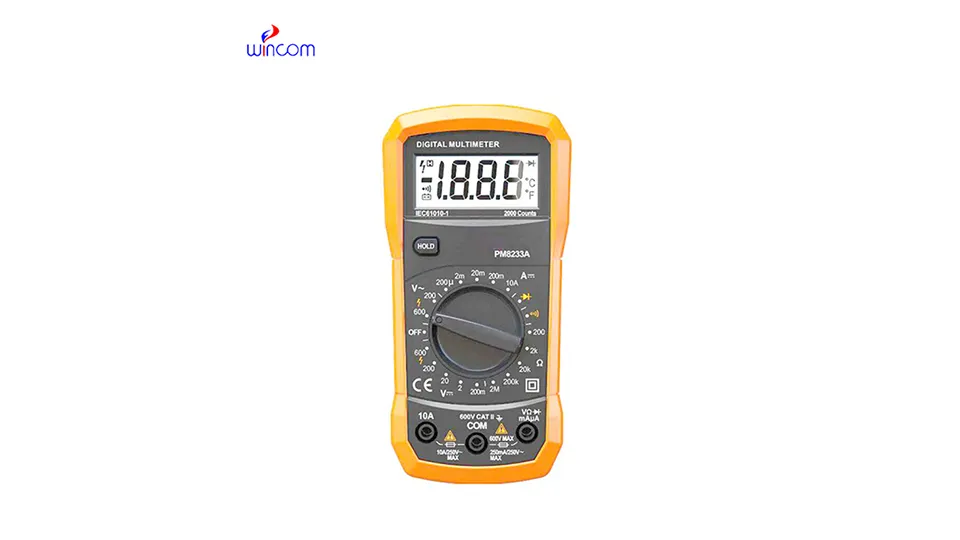
Voordat u de multimeterZorg ervoor dat de keuzeschakelaar correct is ingesteld. Het ontwikkelen van deze gewoonte zal het risico op beschadiging van de meter aanzienlijk verminderen. Probeer bij het kiezen van het bereik de wijzer naar ongeveer tweederde van de volledige schaal te laten wijzen om de nauwkeurigheid van de aflezing te garanderen. Als u niet zeker bent over de grootte van de spanning of stroom die wordt gemeten, is het raadzaam eerst een groter bereik te selecteren en vervolgens het bereik aan te passen op basis van de daadwerkelijke meetwaarde. Wanneer u weerstand meet, moet u de meter altijd resetten nadat u het bereik hebt gewijzigd, om de nauwkeurigheid van de meting te garanderen. Als u niet naar nul kunt resetten, kan dit te wijten zijn aan onvoldoende batterijspanning in de meter. Vervang in dit geval de batterij. Wanneer u weerstand meet in een online context, zorg er dan voor dat u eerst de stroomtoevoer afsluit. Controleer ook of er andere componenten parallel zijn aangesloten op de gemeten weerstand. Open indien nodig één uiteinde van de weerstand van het circuit om te meten. Bij circuits die elektrolytische condensatoren bevatten, dient u deze vóór de meting te ontladen. Vermijd bij gebruik van de multimeter het metalen deel van de meterkabels aan te raken om ongelukken met elektrische schokken te voorkomen. Bovendien kan het aanraken van het metalen deel van de meterkabels de uitlezing beïnvloeden.
Sluit bij het meten van de gelijkspanning de rode sonde aan op de positieve pool en de zwarte sonde op de negatieve pool om schade aan de multimeter als gevolg van onjuiste polariteit te voorkomen. Als de polariteit onzeker is, kunt u eerst een groter bereik selecteren en het gemeten punt snel aanraken met de meetsondes om de juiste polariteit te bepalen door de draairichting van de wijzer te observeren. Het is vooral belangrijk om niet per ongeluk het mA- of ohm-bereik te gebruiken om de spanning te meten. Bij het meten van stroom mogen de twee sondes nooit kruislings op de voeding worden aangesloten, aangezien dit de meterkop kan beschadigen. Houd er ook rekening mee dat de meeste multimeters alleen gelijkstroom kunnen meten en geen wisselstroom.
Zet de bereikschakelaar na gebruik in de hoogste spanningsstand. Multimeters met kortsluitings- of open circuitfuncties moeten dienovereenkomstig worden geplaatst om te voorkomen dat anderen het instrument per ongeluk gebruiken en beschadigen.
1. Vervang de originele zekering van de multimeter door een goedkope zekering. Houd er rekening mee dat als uw digitale multimeter voldoet aan de elektrische veiligheidsnormen die erop staan aangegeven, u een zekering met speciale veiligheidsvoorzieningen moet gebruiken om ervoor te zorgen dat deze snel kan openen voordat ernstige overbelasting optreedt, waardoor het instrument en de persoonlijke veiligheid worden beschermd. Zorg er bij het vervangen van de zekering van een digitale multimeter voor dat u een zekering selecteert die voldoet aan de veiligheidsspecificaties en mag worden gebruikt.
2. Vervang de zekering van de multimeter door een metalen draad of metalen plaat. Hoewel dit een snelle oplossing lijkt, kan een dergelijk alternatief, in gevallen waarin geen geschikte zekering wordt gevonden, ernstige veiligheidsrisico's met zich meebrengen.
3. Gebruik hulpmiddelen die niet geschikt zijn voor de huidige taak. Het kiezen van een digitale multimeter die geschikt is voor een specifieke taak is cruciaal. Zorg er eerst voor dat de digitale multimeter de juiste CAT-classificatie (elektrische veiligheid) heeft om zich aan te passen aan verschillende testscenario's; ten tweede, zorg ervoor dat de maximale continue werkspanning voldoet aan de feitelijke testvereisten. Wanneer u stroomvoerende circuits meet, probeer dit dan te doen terwijl de stroom is uitgeschakeld. Als u echt stroomvoerende circuits moet meten, gebruik dan het juiste geïsoleerde gereedschap en neem de nodige beschermende maatregelen, zoals het dragen van gehoorbescherming, een veiligheidsbril, een vlamboogbeschermingsmasker en geïsoleerde handschoenen. Zorg er ook voor dat u op een isolerend kussen staat en vlambestendige werkkleding draagt om het risico te voorkomen dat metalen voorwerpen zoals sieraden gevaar veroorzaken.
5. Negeer het belang van de meetsnoeren. De meetsnoeren zijn ook een sleutelfactor bij het garanderen van de veiligheid van de digitale multimeter. Selecteer meetsnoeren met de juiste CAT elektrische veiligheidsspecificatie voor de betreffende werkzaamheden en zorg ervoor dat ze veiligheidsvoorzieningen hebben zoals dubbele isolatie, beschermende ingangsconnectoren, vingerbeschermers en antislipoppervlakken.
6. Vermijd het uitvoeren van tests met beide handen. Bij het meten van circuits onder spanning wordt aanbevolen om één hand in uw zak te steken om het risico op het vormen van een gesloten circuit door de borst en het hart te verminderen. Probeer de multimeter op te hangen of te plaatsen, houd hem niet vast en minimaliseer de blootstelling aan transiënte spanningen zoveel mogelijk. Tegelijkertijd moeten bij metingen met hogere risico's aanvullende preventieve maatregelen worden genomen om de gevaren en het risico op vlambogen te verminderen, zoals het gebruik van beschermende uitrusting zoals vastgelegd in de nationale elektrische regelgeving om boogbescherming te bieden.
E-mail: [email protected]
Tel: +86-731-84176622
+86-731-84136655
Adres: Rm.1507, Xinsancheng Plaza. Nr.58, Renmin Road (E), Changsha, Hunan, China


 EN
EN
 af
af
 es
es
 ar
ar
 tr
tr
 sw
sw
 pt
pt
 th
th
 ur
ur
 bn
bn
 ne
ne
 vi
vi
 km
km
 lo
lo
 de
de
 ru
ru
 fi
fi
 nl
nl
 fa
fa
 fr
fr
 ko
ko