In a hospital environment, apl valve on anesthesia machine acts as the primary tool for the delivery of regulated anesthesia with active patient monitoring. It constantly gives information about the state of sedation such as oxygen, respiration, and gas levels. Therefore, the anesthetist is still able to keep the patient safe during surgeries and other critical parts of the patient’s medical care through this device. The unification of the vaporizers, the flow meters, and safety systems results in performances that are always trustworthy in areas like operating rooms, post-op recovery, and medical research, therefore being a big help in the area of anesthesia-related incidents since they will occur less frequently due to the greater procedural consistency.
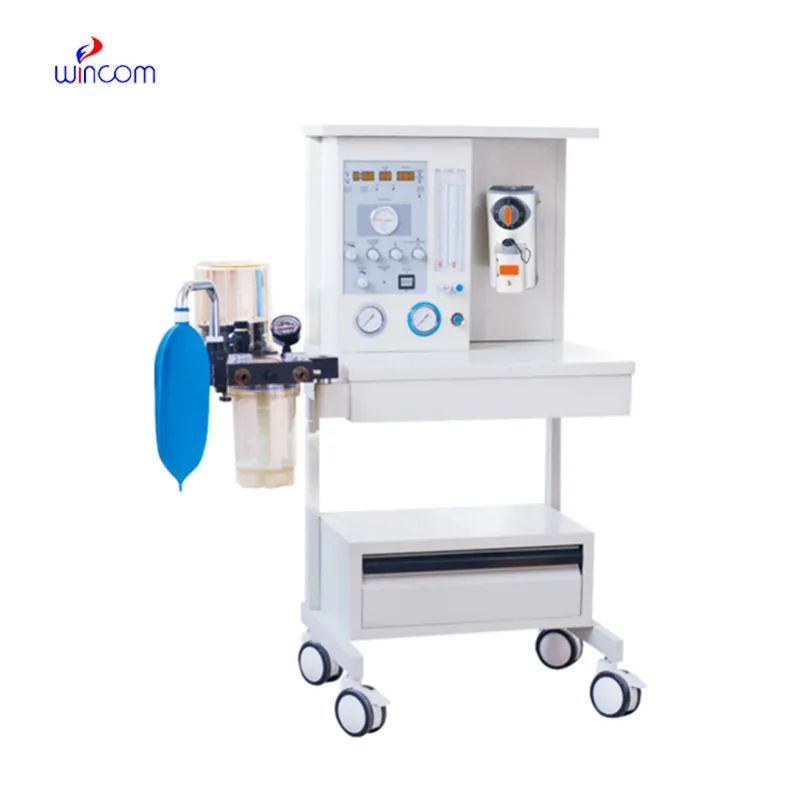
In the pediatric wards, apl valve on anesthesia machine is the method of choice for the provision of anesthesia according to children's physiological characteristics. The pediatric population is often subjected to meticulous ventilation and anesthetic dosage control because of their small airways and high sensitivity. The machine contributes to the maintenance of gentle ventilation and precise gas delivery during operations. Its monitoring feature is a constant companion to the medical practitioners who are checking the respiration rates and the oxygen concentrations. This use case points out the necessity of apl valve on anesthesia machine in guaranteeing the safety of young patients when they get anesthetized in hospitals.
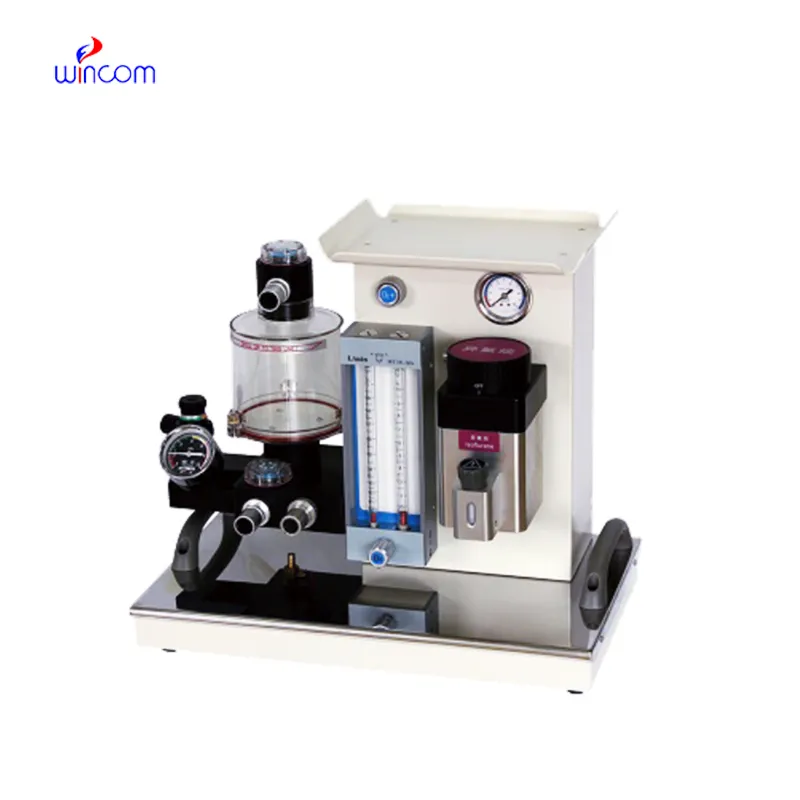
Sustainability is becoming more and more an important factor to be considered in the future of apl valve on anesthesia machine. Manufacturers might concentrate on waste gas anesthetics elimination and energy efficiency enhancements. hospitals are getting more and more conscious of environmental effects and operating expenses. Future apparatus may couple state-of-the-art gas recycling systems and low-flow anesthesia capabilities. These alterations could contribute to the responsible resources usage and at the same time, keep up with clinical performance. The progress of apl valve on anesthesia machine is expected to be in sync with the larger hospital sustainability projects.
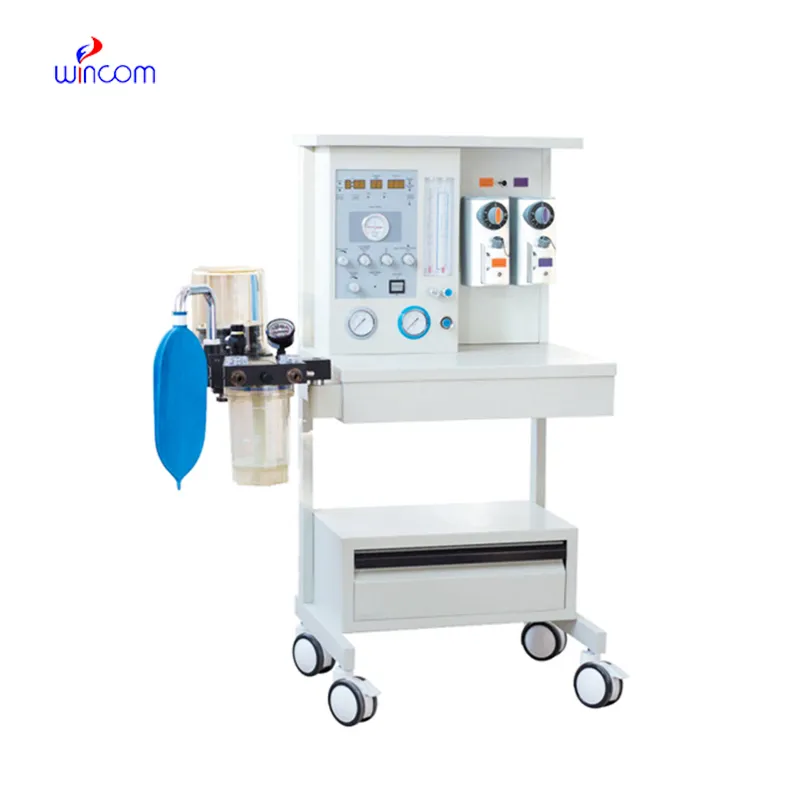
The apl valve on anesthesia machine ventilation systems ought to be kept operational at all times to provide uninterrupted respiratory assistance. The filters must be changed at the proposed times to avoid their being clogged and dirty. The mechanical parts need to be checked in order to have good airflow and pressure regulation. In ICU and operating rooms, well-functioning ventilation systems minimize the hazards of long anesthesia use. They become part of the hospital's dependence on these devices' performance in the most challenging environments.
apl valve on anesthesia machine is a crucial medical apparatus used in hospitals, intended to administer accurate anesthetic gases and at the same time, allow patient ventilation during surgery. It incorporates monitoring systems which constantly measure the oxygen levels, respiratory rate, and airway pressures, thus ensuring patient safety during the entire procedure. The device, which is made up of vaporizers, flow meters, and alarms, allows anesthesiologists to control sedation uniformly and react to different physiological situations. Its use goes from operating rooms to emergency departments and laboratory-based clinical studies, thus providing consistent performance for efficient anesthesia administration and facilitating good patient management in various hospital environments.
Q: What is the main function of an anesthesia machine? A: Controlled anesthetic gases are delivered and the patient is ventilated during medical procedures. Q: Where is the anesthesia machine frequently used? A: Hospitals mainly use it in their operating rooms, emergency units, and intensive care departments. Q: Who operates the anesthesia machine during surgery? A: Trained anesthesiologists or anesthesia technicians are responsible for operating the device. Q: Can the anesthesia machine assist the breathing of a patient? A: Yes, by providing mechanical ventilation support when spontaneous breathing is insufficient. Q: Does the device monitor respiratory parameters? A: It monitors airflow, pressure and oxygen concentration all through the delivery.
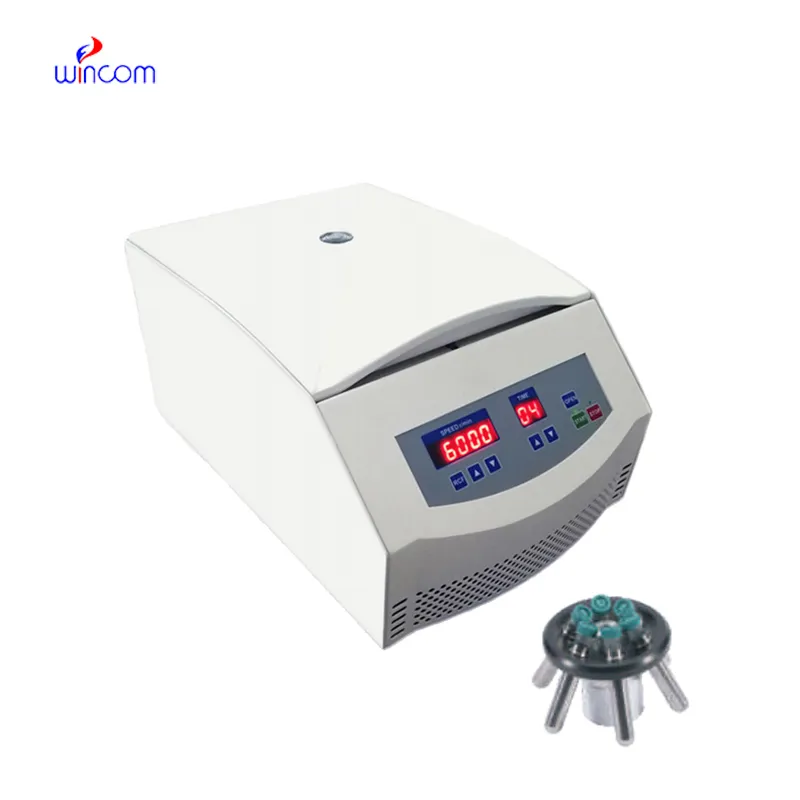
The centrifuge operates quietly and efficiently. It’s compact but surprisingly powerful, making it perfect for daily lab use.
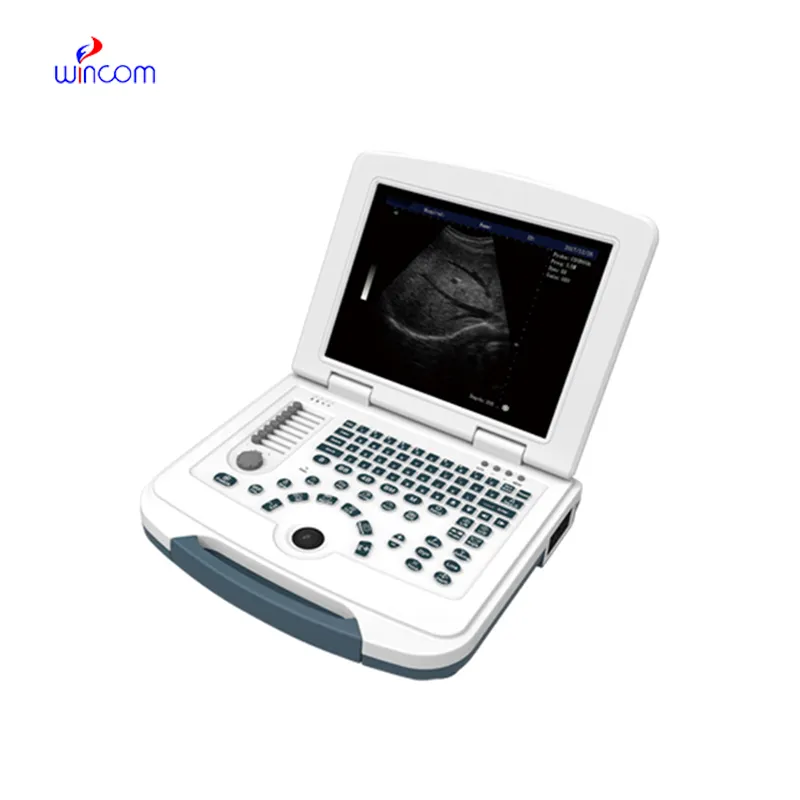
This ultrasound scanner has truly improved our workflow. The image resolution and portability make it a great addition to our clinic.
To protect the privacy of our buyers, only public service email domains like Gmail, Yahoo, and MSN will be displayed. Additionally, only a limited portion of the inquiry content will be shown.
We are planning to upgrade our imaging department and would like more information on your mri machin...
I’d like to inquire about your x-ray machine models. Could you provide the technical datasheet, wa...
E-mail: [email protected]
Tel: +86-731-84176622
+86-731-84136655
Address: Rm.1507,Xinsancheng Plaza. No.58, Renmin Road(E),Changsha,Hunan,China


 EN
 af
 es
 ar
 tr
 sw
 pt
 th
 ur
 bn
 ne
 vi
 km
 lo
 de
 ru
 fi
 nl
 fa
 fr
 ko