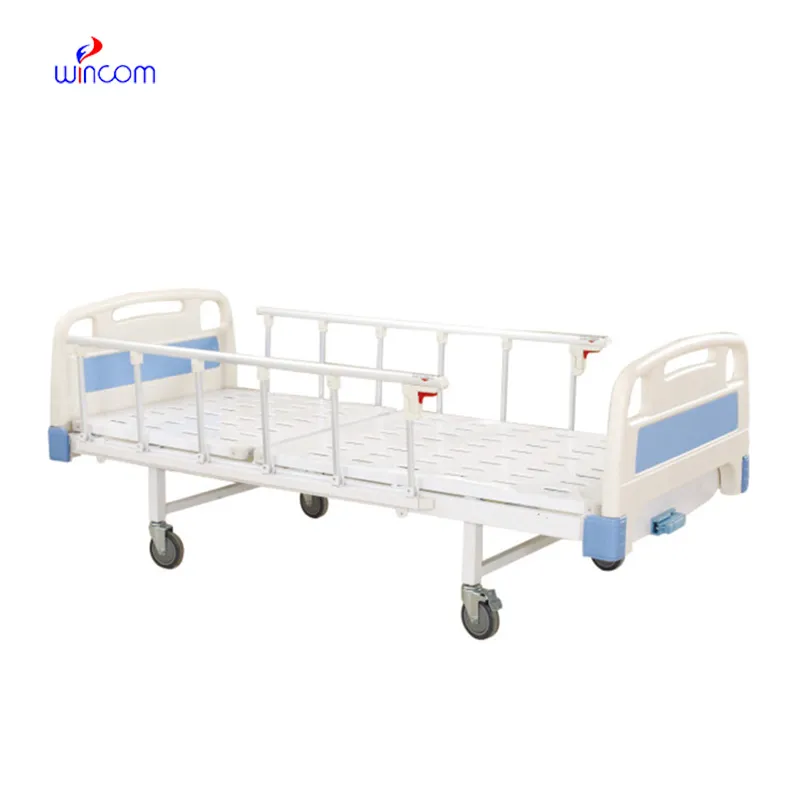
With exact engineering design, the bed hospital combines toughness with flexibility. It supports a number of medical procedures with adjustable back and leg sections driven by a touch panel or remote. The bed hospital top is clad in easy-clean bacterial growth-resistant materials. Its base will typically have shock-absorbing castors for stability and smooth movement. With integrated control options, it simplifies the positioning of patients effectively during different treatments.
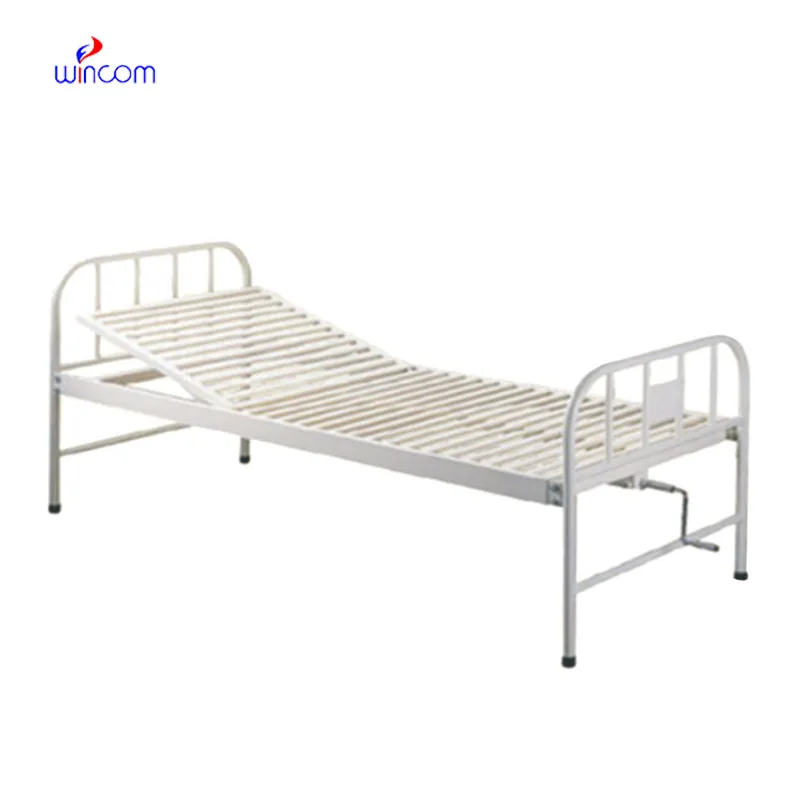
The bed hospital is utilized in healthcare and hospital settings to provide continuous support to mobility-impaired patients. It is applied to routine tasks such as dressing, therapy, and post-operative monitoring. The bed hospital supports effortless transfers from sitting and lying positions and is used to support rehabilitation and comfort. It also helps patient care in intensive and emergency care wards, where precise positioning can improve treatment effectiveness and the recovery rate.
Future bed hospital innovations will focus on automation and remote connectivity. With IoT connectivity, caregivers will be able to monitor and adjust bed settings through digital interfaces. The bed hospital can be integrated with smart sensors to monitor motion, heart rate, and sleep patterns. Data collected will enable personalized care and early intervention. Energy-efficient motors and sustainable materials will increase its usability and durability for hospital and home care settings.
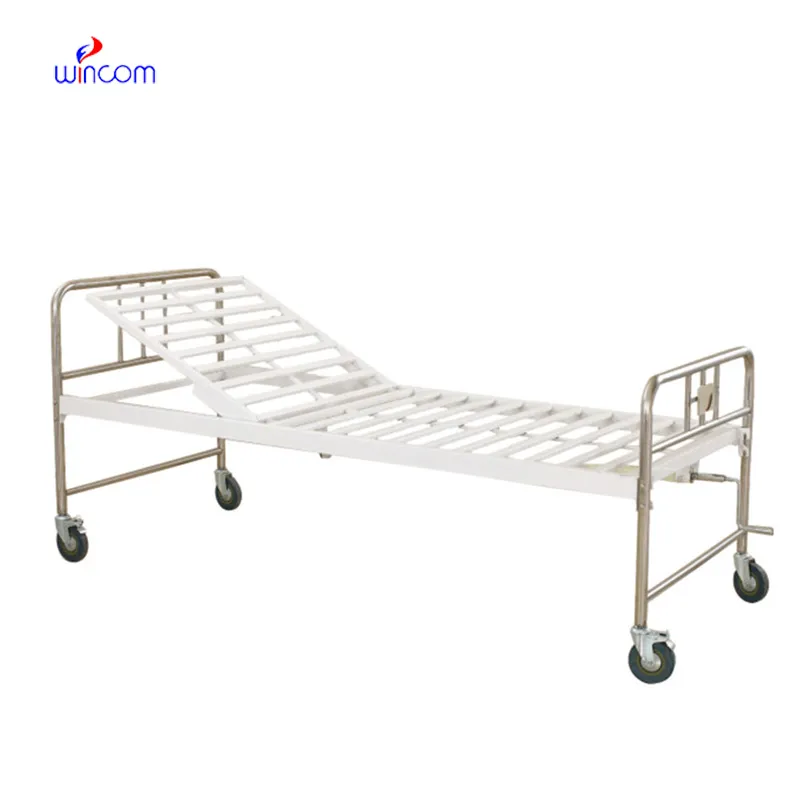
The bed hospital is well maintained to ensure regular performance and hygiene. It deters dust and fluid buildup through regular cleaning, which keeps the patient safe. Technicians must inspect joints, motors, and rails for any early indications of wear. All bed hospital moving parts must be inspected for smoothness and screwed tightly. With a routine schedule of inspection, hospital staff can ensure reliable and long-lasting equipment use.
The bed hospital is an integral part of modern healthcare, having adjustable care for patients with varying medical needs. It has adjustable features making recovery easy and nursing activities convenient. Lockable wheels, safety rails, and easy-to-clean surfaces are attributes of the bed hospital to provide hygiene and stability support. Designed for patient health as well as caregiver efficiency, the bed hospital ensures quality provision of healthcare in hospitals, rehabilitation facilities, and long-term care institutions.
Q: How can the lifespan of a hospital bed be extended? A: Regular cleaning, inspection, and lubrication of moving parts help maintain the bed’s performance and longevity. Q: How do hospital beds ensure patient safety? A: Built-in safety rails, stable frames, and locking wheels minimize risks of falls and unintended movements. Q: What features reduce the risk of bedsores? A: Pressure-relief mattresses and adjustable positioning reduce continuous pressure on the body. Q: Are hospital beds designed for specific departments? A: Yes, beds are customized for departments such as ICUs, surgical wards, and long-term care units. Q: How do hospitals optimize bed use? A: Scheduled maintenance, proper staff training, and monitoring improve efficiency and extend equipment lifespan.
I’ve used several microscopes before, but this one stands out for its sturdy design and smooth magnification control.
We’ve been using this mri machine for several months, and the image clarity is excellent. It’s reliable and easy for our team to operate.
To protect the privacy of our buyers, only public service email domains like Gmail, Yahoo, and MSN will be displayed. Additionally, only a limited portion of the inquiry content will be shown.
We’re looking for a reliable centrifuge for clinical testing. Can you share the technical specific...
We’re currently sourcing an ultrasound scanner for hospital use. Please send product specification...
E-mail: [email protected]
Tel: +86-731-84176622
+86-731-84136655
Address: Rm.1507,Xinsancheng Plaza. No.58, Renmin Road(E),Changsha,Hunan,China


 EN
 af
 es
 ar
 tr
 sw
 pt
 th
 ur
 bn
 ne
 vi
 km
 lo
 de
 ru
 fi
 nl
 fa
 fr
 ko