edta blood collection tubes serve as very accurate instruments for the gathering, moving, and handling of blood in clinical and hospital laboratories. Their structure keeps the samples intact for precision testing in hematology, immunology, and clinical chemistry. The sterile and pre-measured additive construction is a barrier against contamination and sample degradation. The color-coded caps and volume markings make identification and workflow easy. Consistent and reproducible results are obtained by hospitals and laboratories with the use of edta blood collection tubes, which in turn leads to fewer mistakes and faster diagnosis. These tubes have become necessary for the quality and reliability of clinical diagnostics in modern healthcare environments.
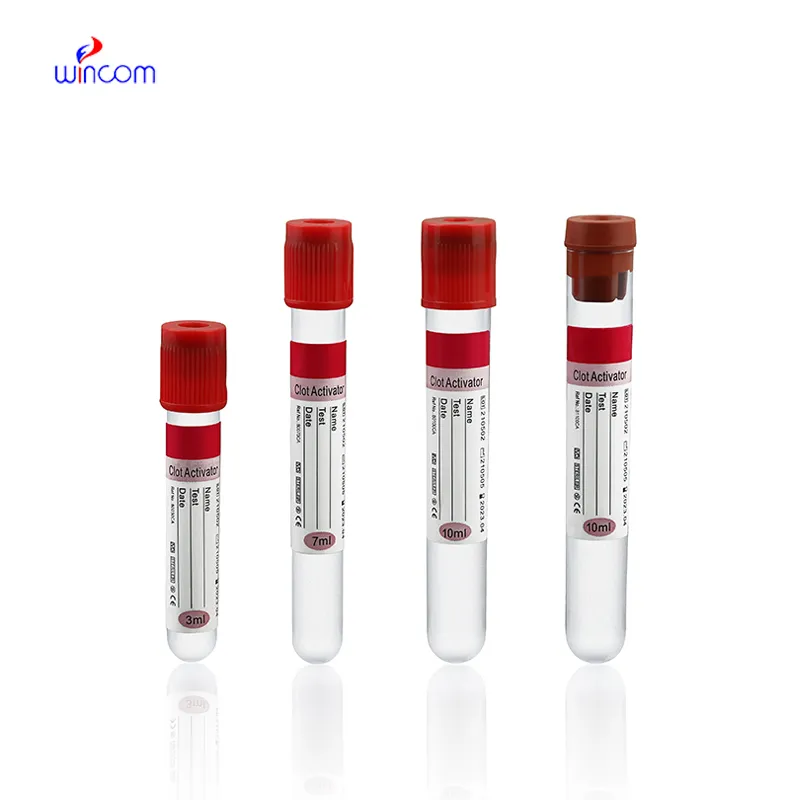
edta blood collection tubes are the standard in critical care for the collection of blood for essential monitoring, namely, arterial blood gases, electrolyte analysis, and coagulation studies. Rapid and precise collection is vital in the treatment decision-making process for patients who are critically ill. The vacuum-based collection method reduces the risks of handling and at the same time keeps the sample intact while being transferred to the laboratory analyzers. Correct tube selection for each test type is guaranteed by color coding. The use of edta blood collection tubes in the ICU workflow not only allows the hospitals to carry out a continuous and high-quality monitoring process but also helps in minimizing errors and supporting life-saving clinical interventions for the patients who have complicated medical conditions.
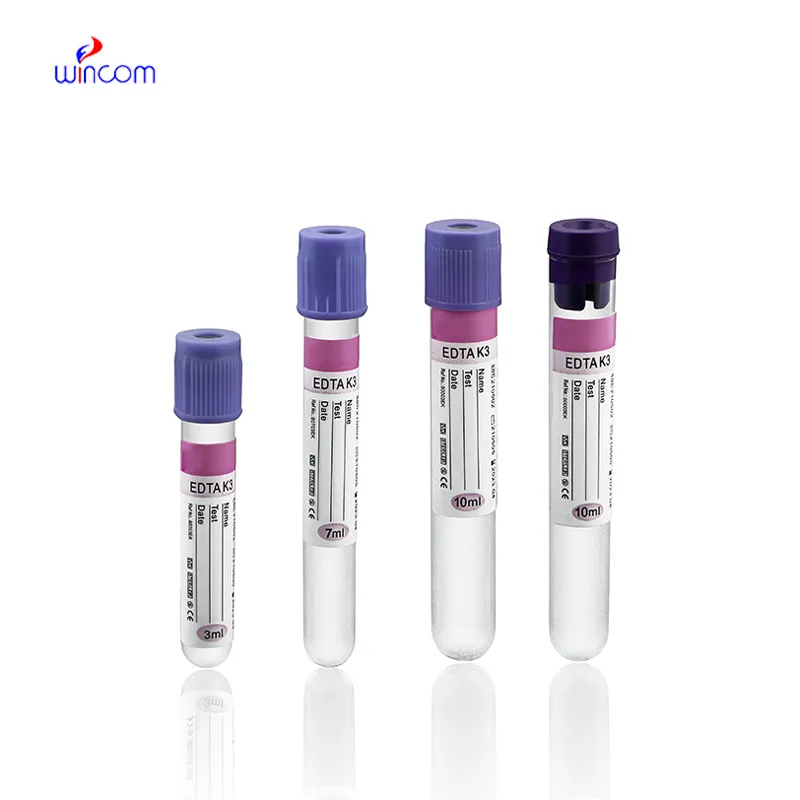
In the future, it is possible that edta blood collection tubes will be using barcodes and RFID technologies, thus making patient sample tracking seamless. Automated systems might be set up in hospitals and laboratories to enter the collection time, patient data, and tube type automatically, which would minimize the possibility of errors occurring due to humans. If the advanced centrifuge and real-time monitoring are combined, this will lead to better sample traceability and more efficient laboratory workflow. Smart edta blood collection tubes will guarantee the provision of good-quality diagnostics at hospitals as they will be able to carry sample integrity from collection through analysis, thus ensuring leading to reproducibility of results, faster turnaround times, and reliable patient care whether in routine testing or complex clinical research applications.

The proper upkeep of edta blood collection tubes necessitates close supervision of the conditions and practices of storage and using them. Ultraviolet light, which can damage certain additives, must not shine on the tubes. Hospitals in most cases have a practice of doing regular quick eye examinations before the use of tubes to detect any faults. The storage systems must be designed such that they do not put any physical strain on the tubes but at the same time allow easy access. The observance of hygiene rules by the staff also minimizes the contamination risk. All these practices together make edta blood collection tubes reliable for daily laboratory operations and clinical testing sectors.
In outpatient clinics, edta blood collection tubes are used to take blood samples for laboratory tests that are performed routinely, including cholesterol levels, glucose monitoring, and hormone panels, among others. The tubes' pre-measured additives help to get uniform results and at the same time, lessen the handling errors. Clinic employees are relying on the performance of these tubes as being dependable for both short-term and long-term patient monitoring. The correct application of edta blood collection tubes keeps each sample intact while being transported to hospital laboratories. Their ease of use, uniformity, and compatibility with laboratory analyzers come together to make them an essential tool in everyday clinical practice and patient diagnostics.
Q: What is the purpose of Blood Collection Tubes in emergency departments? A: The main function is to facilitate quick and secure blood collection for urgent diagnostic tests. Q: Are Blood Collection Tubes suitable for infants and children? A: Absolutely, there are specialized smaller-volume tubes for both pediatric and neonate applications. Q: What is the procedure when a Blood Collection Tube gets broken? A: The broken tubes cannot be used and should be disposed of per the hospital's rules. Q: Will Blood Collection Tubes leak if there is an accident? A: Leakage during handling and transport is minimized through the secure caps that are designed for these tubes. Q: What methods do hospitals use for tracking Blood Collection Tubes? A: A number of hospitals are using either labeling or barcode systems for sample identification and traceability.
The delivery bed is well-designed and reliable. Our staff finds it simple to operate, and patients feel comfortable using it.
This ultrasound scanner has truly improved our workflow. The image resolution and portability make it a great addition to our clinic.
To protect the privacy of our buyers, only public service email domains like Gmail, Yahoo, and MSN will be displayed. Additionally, only a limited portion of the inquiry content will be shown.
I’d like to inquire about your x-ray machine models. Could you provide the technical datasheet, wa...
I’m looking to purchase several microscopes for a research lab. Please let me know the price list ...
E-mail: [email protected]
Tel: +86-731-84176622
+86-731-84136655
Address: Rm.1507,Xinsancheng Plaza. No.58, Renmin Road(E),Changsha,Hunan,China


 EN
 af
 es
 ar
 tr
 sw
 pt
 th
 ur
 bn
 ne
 vi
 km
 lo
 de
 ru
 fi
 nl
 fa
 fr
 ko