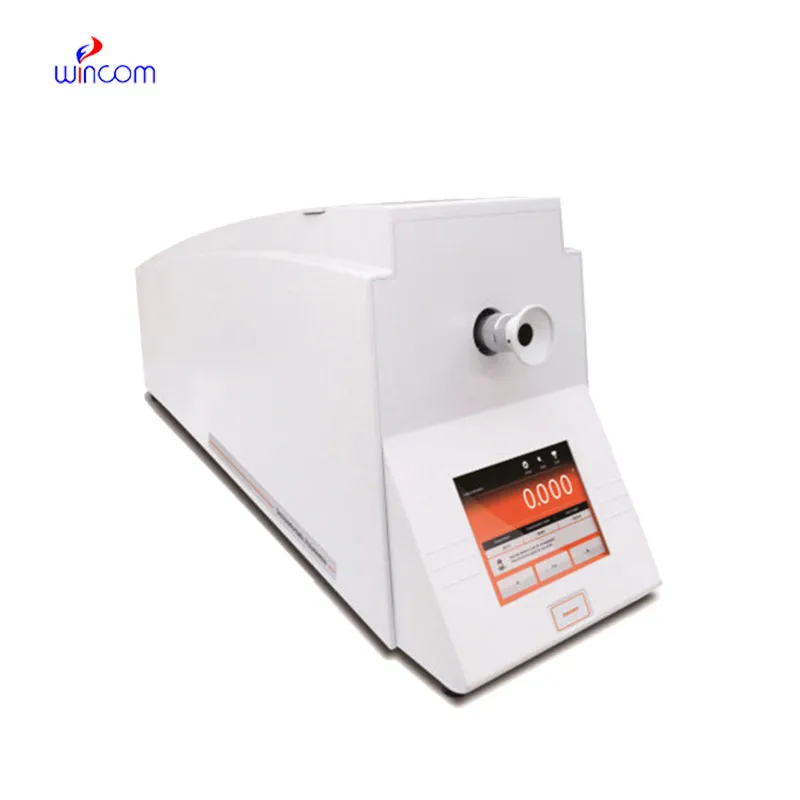
The laboratory water bath apparatus has cutting-edge temperature control and ergonomic design for consistent laboratory performance. It provides uniform heat distribution to prevent overheating or warping of the sample. The stainless-steel chamber of the laboratory water bath apparatus is durable and corrosion resistant. Its digital interface provides precise settings, with inbuilt safety features protecting against hot temperatures. The compact design does not sacrifice capacity. With low maintenance requirements and smooth operation, the laboratory water bath apparatus proves an efficient instrument for scholarly, medical, and research organizations.
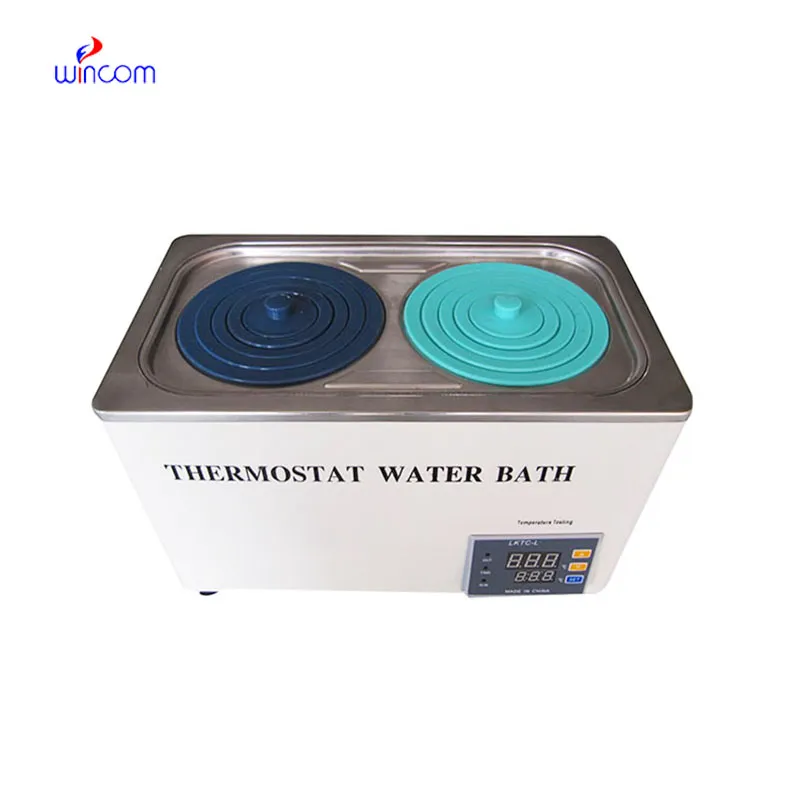
The laboratory water bath apparatus is a valuable resource of laboratories in biology, chemistry, and clinical research. The laboratory water bath apparatus is most commonly used for warming cultures, pre-warming reagents, softening substrates, and adjusting sample temperatures. In microbiology, the laboratory water bath apparatus is applied to grow bacterial cultures at controlled temperatures. In chemistry laboratory facilities, it is applied to reaction kinetics and digestion reactions of samples. Pharmaceutical facilities utilize the laboratory water bath apparatus for product testing and stability tests. Its precise temperature control yields consistent results, supporting research and quality control procedures.
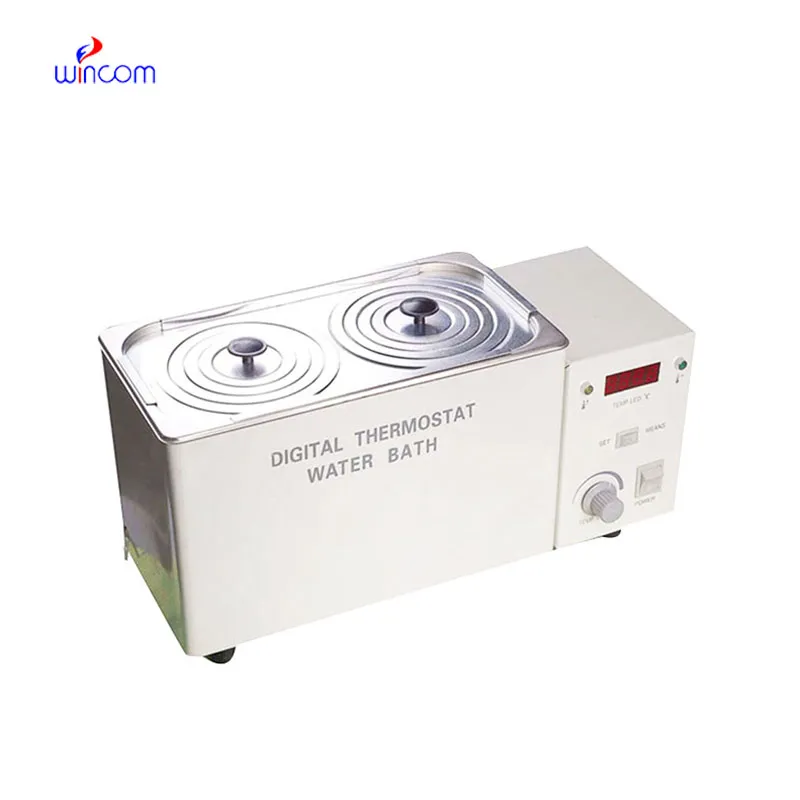
Future laboratory water bath apparatus will be altered by smart control systems and greater connectivity. The new designs will include self-regulating thermal technology that will be able to change heat automatically based on sample requirements. The addition of wireless communication will allow scientists to observe temperature performance in real-time. The laboratory water bath apparatus will also be greener, with the use of materials that minimize energy wastage and environmental impact. The innovation will improve laboratory productivity and facilitate more complex scientific experimentation.
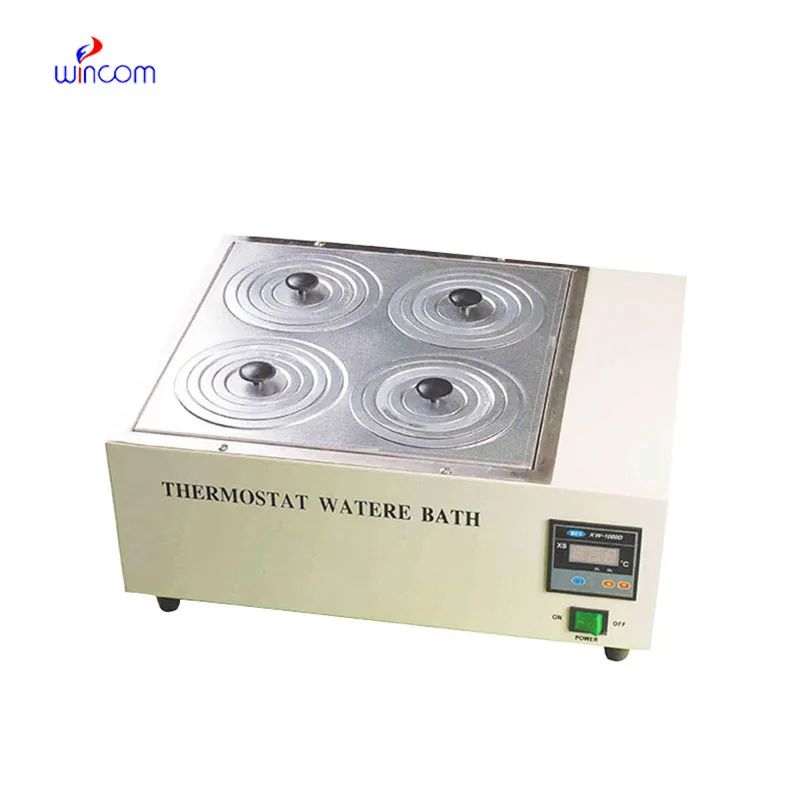
Routine maintenance procedures need to be performed by the users to make the laboratory water bath apparatus function properly. Clean the tank every week to remove mineral buildup or chemical residue. Scaling and corrosion are prevented through the use of distilled water. Dry parts completely after cleaning before filling up. The heating coil and temperature sensor should be checked for build-up or debris. Electrical components should not be submerged in water when cleaning. Proper routine maintenance makes the laboratory water bath apparatus accurate, safe, and efficient to utilize over a long period of time.
The laboratory water bath apparatus is a heat-controlled device from which researchers are able to maintain specimens at specified temperatures. The efficient heat transfer process of the device allows for uniform temperature throughout the chamber. In life science, chemistry, and food testing facilities, the laboratory water bath apparatus is generally used in the processes such as sample incubation and reagent melting. With a strong focus on precision and safety, it has top-of-the-line thermal control to offer stable performance in a variety of different research settings.
Q: What is the primary function of a water bath in the laboratory? A: A water bath is used to maintain samples at a constant temperature for extended periods, providing stable heating conditions for experiments and reactions. Q: Why is distilled water recommended for use in a water bath? A: Distilled water is preferred because it prevents mineral buildup, reduces corrosion, and helps extend the lifespan of the equipment. Q: How often should the water in a water bath be replaced? A:When contamination or visible residue occurs, it should be replaced at least once a week or more frequently to ensure cleanliness and accurate heating performance. Q: What safety measures should be taken when operating a water bath? A: Users should avoid overfilling, keep electrical components dry, and regularly check temperature controls to prevent overheating or short circuits. Q: Can a water bath be used for heating flammable liquids? A: No, flammable liquids should never be heated in a water bath, as vapors can ignite when exposed to heat or electrical sparks.
This ultrasound scanner has truly improved our workflow. The image resolution and portability make it a great addition to our clinic.
The water bath performs consistently and maintains a stable temperature even during long experiments. It’s reliable and easy to operate.
To protect the privacy of our buyers, only public service email domains like Gmail, Yahoo, and MSN will be displayed. Additionally, only a limited portion of the inquiry content will be shown.
Could you share the specifications and price for your hospital bed models? We’re looking for adjus...
Could you please provide more information about your microscope range? I’d like to know the magnif...
E-mail: [email protected]
Tel: +86-731-84176622
+86-731-84136655
Address: Rm.1507,Xinsancheng Plaza. No.58, Renmin Road(E),Changsha,Hunan,China


 EN
 af
 es
 ar
 tr
 sw
 pt
 th
 ur
 bn
 ne
 vi
 km
 lo
 de
 ru
 fi
 nl
 fa
 fr
 ko