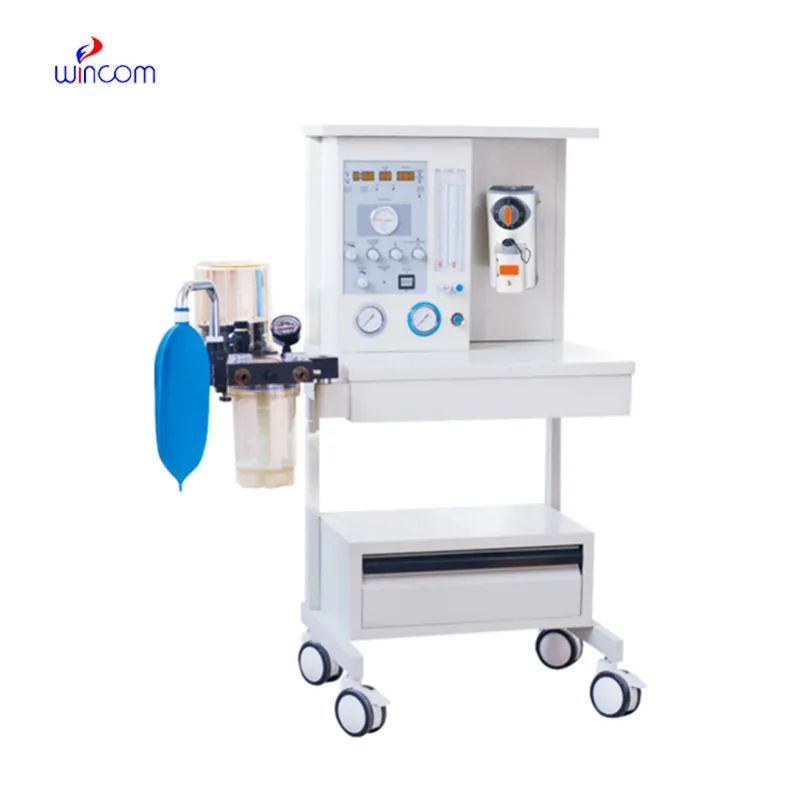
oxygen analyzer anesthesia machine is a highly advanced piece of equipment used in surgery that controls the flow of anesthetic gases and at the same time ventilates the patient. It has the ability to monitor oxygen levels, breathing rate, and pressure in the airway in real time, which allows the anesthesiologists to adjust anything immediately. The device is so reliable that hospitals cannot do without it for both normal and dangerous operations. Mixing vaporizers, flow control systems, and safety alarms, the machine becomes a complete anesthesia management solution. Its versatility makes oxygen analyzer anesthesia machine an ideal choice for operating rooms, emergency departments, and clinical labs that need accurate sedation control and continuous monitoring of the patient's condition.
In medical research done in the laboratory, oxygen analyzer anesthesia machine is utilized for keeping anesthesia under control during experimental procedures. The researchers apply the instrument for the purpose of keeping steady respiratory conditions and thereby studying physiological reactions. The anesthetic's delivery exactness is determined to be the basis for the experiments' reproducibility and safety. The capability of the device to monitor helps to observe the respiratory and oxygen variables during the entire course of the experiment. This specific use exemplifies the importance of oxygen analyzer anesthesia machine in assisting clinical trials and laboratory studies in the realm of medicine.
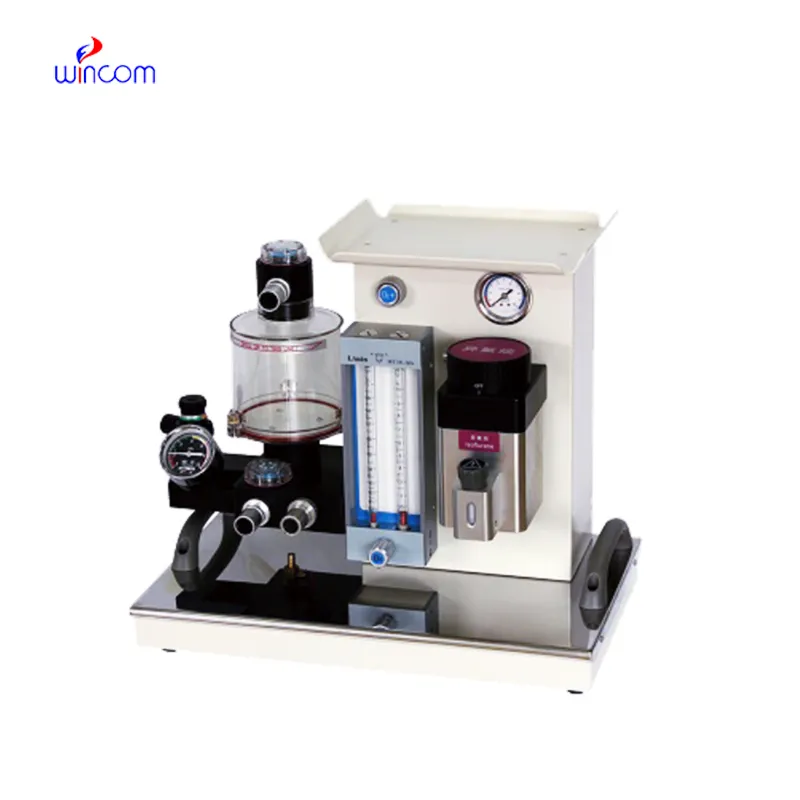
With the progress of personalized medicine, oxygen analyzer anesthesia machine could possibly transform to enable more personalized anesthesia methods. The future anesthetic systems might depend on patient-specific data like age, weight, and respiratory history, among others. Such details could help physicians in improving the administration of anesthesia. Personalized methods of treatment are becoming more and more appreciated by hospitals and oxygen analyzer anesthesia machine is expected to follow this increasingly responsive and data-driven approach of being more and more personalized.
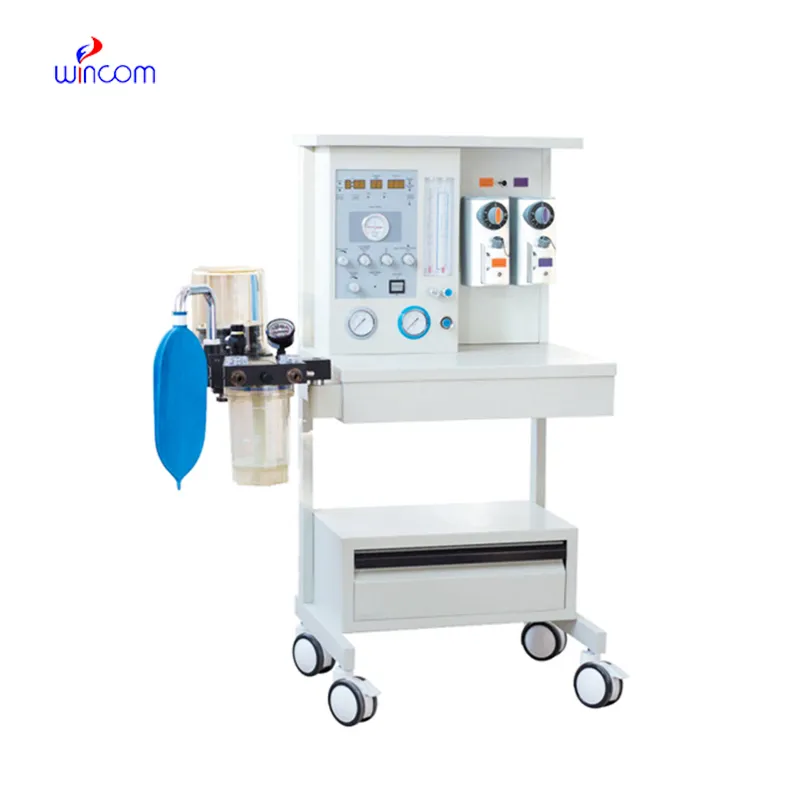
The proper care of oxygen analyzer anesthesia machine starts with weekly inspection before and after daily clinical use. The gas pipelines, connectors, and flow meters should be checked by the hospital staff to make sure they are working correctly. Cleaning and replacing of breathing circuits and masks should be done according to infection control protocols. Regular calibration of monitoring components is a way to always have accurate readings. In high-traffic operating rooms, stable maintenance schedules cut down on sudden breaks. Hospitals can prolong the lifespan of oxygen analyzer anesthesia machine and keep anesthesia delivery reliable by using inspection schedules that are structured.
In contemporary medical centers, oxygen analyzer anesthesia machine is implemented for the purpose of ensuring stability in anesthesia throughout intricate surgical procedures. It manages the amount of anesthetic gasses and at the same time gives continuous feedback on the patient's breathing and oxygen levels. The apparatus permits uninterrupted observation of life signs and makes it possible to carry out modifications according to the needs of the patient. Moreover, oxygen analyzer anesthesia machine facilitates accurate anesthesia management, thereby mitigating the dangers linked to both over- and under-sedation and leading to the best possible patient outcomes in all hospital operating rooms and clinical labs.
Q: What gases does the Anesthesia Machine make use of? A: The regular gases are oxygen, nitrous oxide, and volatile anesthetic agents. Q: Is the Anesthesia Machine suitable for long surgeries? A: Yes, it was designed to maintain stable anesthesia throughout long operations. Q: Under machine control how does the anesthesia concentration occur? A: The vaporizers dispense a precisely-measured amount of anesthetic gas to the patient. Q: Could the machine be used for pediatric patients? A: Yes, but only if the settings are modified by the experienced medical personnel. Q: Is there a built-in alarm system for the machine? A: Yes, alarms are present to alert the staff to changes in pressure, gas flow, or oxygen levels.
I’ve used several microscopes before, but this one stands out for its sturdy design and smooth magnification control.
The centrifuge operates quietly and efficiently. It’s compact but surprisingly powerful, making it perfect for daily lab use.
To protect the privacy of our buyers, only public service email domains like Gmail, Yahoo, and MSN will be displayed. Additionally, only a limited portion of the inquiry content will be shown.
We’re interested in your delivery bed for our maternity department. Please send detailed specifica...
I’m looking to purchase several microscopes for a research lab. Please let me know the price list ...
E-mail: [email protected]
Tel: +86-731-84176622
+86-731-84136655
Address: Rm.1507,Xinsancheng Plaza. No.58, Renmin Road(E),Changsha,Hunan,China


 EN
 af
 es
 ar
 tr
 sw
 pt
 th
 ur
 bn
 ne
 vi
 km
 lo
 de
 ru
 fi
 nl
 fa
 fr
 ko