The stationary oxygen concentrator is a product that has been developed and designed for the delivery of medical oxygen via a continuous process of air treatment and oxygen concentration. Its design has completely ruled out the necessity for the storage of oxygen and has evened out the supply, making it reliable. Hospitals have incorporated the device into the workflow of respiratory care for both inpatient and outpatient support. The blend of accurate controls and stable output brings about patient safety. This account does justice to its place in the present-day system of medical oxygen delivery.
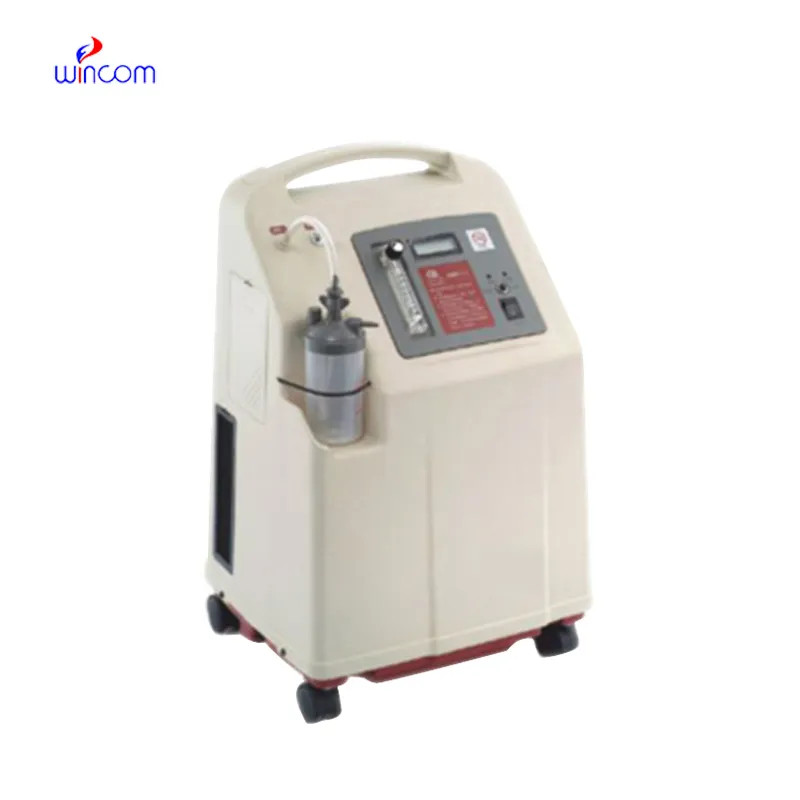
In hospitals and clinics, stationary oxygen concentrator is useful for outpatient patients who need oxygen for a short period of time, such as during treatments or evaluations. Clinics enjoy the convenience of having oxygen available right away without the need for complicated infrastructure. The medical personnel are using a device at the time of respiratory examinations and carrying out minor procedures. Its small size easily accommodates even the most overcrowded clinical space. The use of this technology in the outpatient department has immensely improved the workflow by giving respiratory support to patients, when and where it is needed.
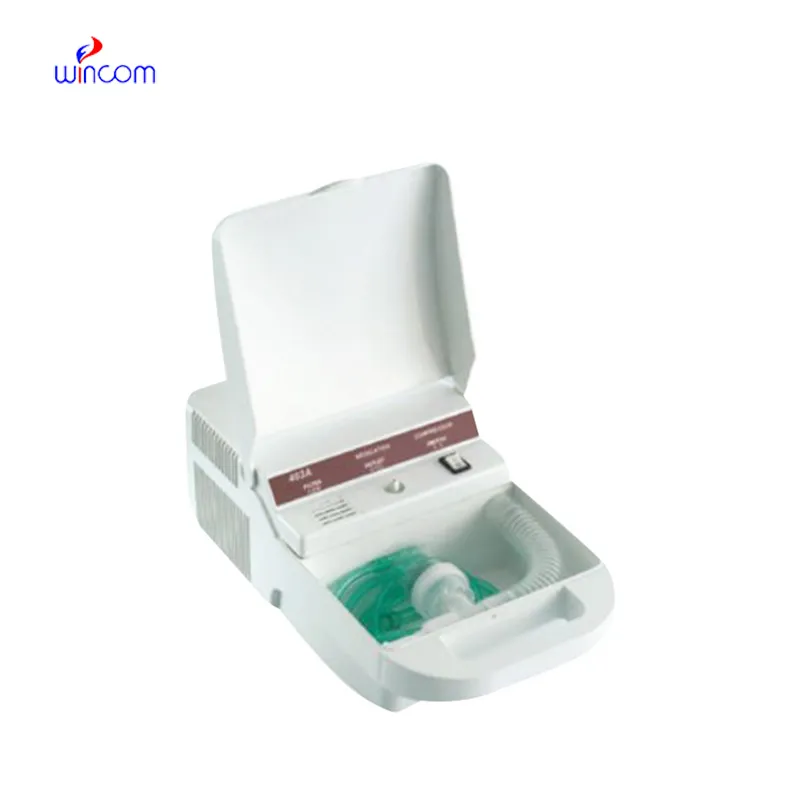
In the realm of children's health and specialized medical care, the advancement of stationary oxygen concentrator could lead to the development of even more sophisticated devices for flow adjustment. Enhanced control panels could enable medical practitioners to precisely adjust the amount of oxygen supplied. This provision is crucial for delicate and sensitive patients who need exact respiratory aid. Besides, hospitals could be able to have a versatile device that can cater to patients with varying requirements. This kind of progress surely places emphasis on and underlines the importance of custom-made features for respiratory machines of the future.
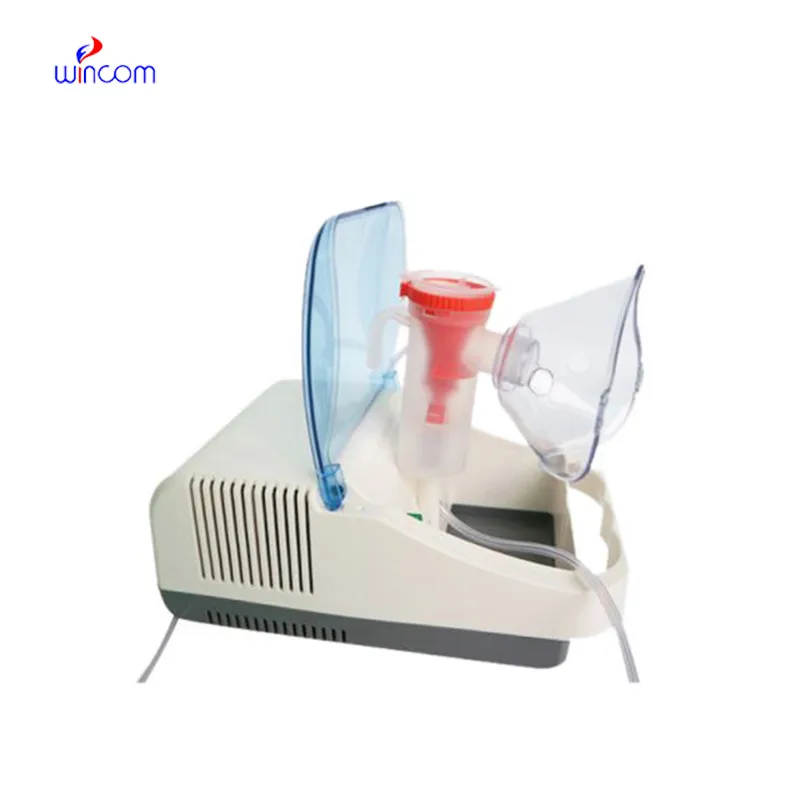
Quality storage of stationary oxygen concentrator improves its lifespan and trustworthiness in operation. During the time of inactivity, the unit has to be located in a place that is clean, dry, and of controlled temperature. High humidity, dust, or high temperatures may ruin the delicate parts and reduce the oxygen flow. The portable devices need to be strapped down while moving in the hospital's corridors to avoid putting pressure on the devices. Adhering to the storage rules and inspecting the devices periodically makes sure that stationary oxygen concentrator is always ready to provide high-standard oxygen therapy to both in-house and outpatients.
The stationary oxygen concentrator device is helpful in pediatric units for the administration of oxygen therapy adjusted to the needs of little patients. Children suffering from respiratory infections or having congenital diseases are often in need of exact oxygen support. The apparatus permits the controlled modification of oxygen flow corresponding to the clinical requirement. Its silent functioning aids in the creation of a soothing atmosphere suitable for the treatment of children. stationary oxygen concentrator guarantees safe therapy in the specialized hospital wards by providing soft and stable oxygen delivery.
Q: What is the main purpose of an Oxygen Concentrator? A: Its main purpose is to draw oxygen from the ambient air and deliver it in a continuous, high-purity flow for the patient's respiratory support. Q: Where is an Oxygen Concentrator most frequently found? A: It is pretty much ubiquitous in hospitals, where it is utilized in wards, ICUs, outpatient clinics, and emergency departments. Q: Is it suitable for both children and adults? A: Yes, the flow rates are adjustable to meet the oxygen needs of both pediatric and adult patients. Q: What is the way the device ensures a continuous oxygen supply? A: It frees the air of nitrogen and thus generates oxygen without the requirement of relying on bottle storage. Q: Is a training necessary for Oxygen Concentrator operator? A: Healthcare workers are supposed to be trained not just to alter the flow but also to monitor the output and perform basic maintenance.
The water bath performs consistently and maintains a stable temperature even during long experiments. It’s reliable and easy to operate.
The microscope delivers incredibly sharp images and precise focusing. It’s perfect for both professional lab work and educational use.
To protect the privacy of our buyers, only public service email domains like Gmail, Yahoo, and MSN will be displayed. Additionally, only a limited portion of the inquiry content will be shown.
We’re currently sourcing an ultrasound scanner for hospital use. Please send product specification...
Could you share the specifications and price for your hospital bed models? We’re looking for adjus...
E-mail: [email protected]
Tel: +86-731-84176622
+86-731-84136655
Address: Rm.1507,Xinsancheng Plaza. No.58, Renmin Road(E),Changsha,Hunan,China


 EN
EN
 af
af
 es
es
 ar
ar
 tr
tr
 sw
sw
 pt
pt
 th
th
 ur
ur
 bn
bn
 ne
ne
 vi
vi
 km
km
 lo
lo
 de
de
 ru
ru
 fi
fi
 nl
nl
 fa
fa
 fr
fr
 ko
ko