The water bath for chemistry lab is designed with reliable temperature control and stable performance in consideration. It has even heating properties that qualify it as a requirement for accurate laboratory testing. The digital temperature controller ensures a safe operation, while the insulated body ensures thermal efficiency. The water bath for chemistry lab has safety features such as automatic shut-off and overheat protection. Its corrosion-proof stainless steel chamber offers durability for a long period and easy cleaning. Small in size but very effective, the water bath for chemistry lab can be used for a wide variety of laboratory applications where consistent heat and reproducibility are required.
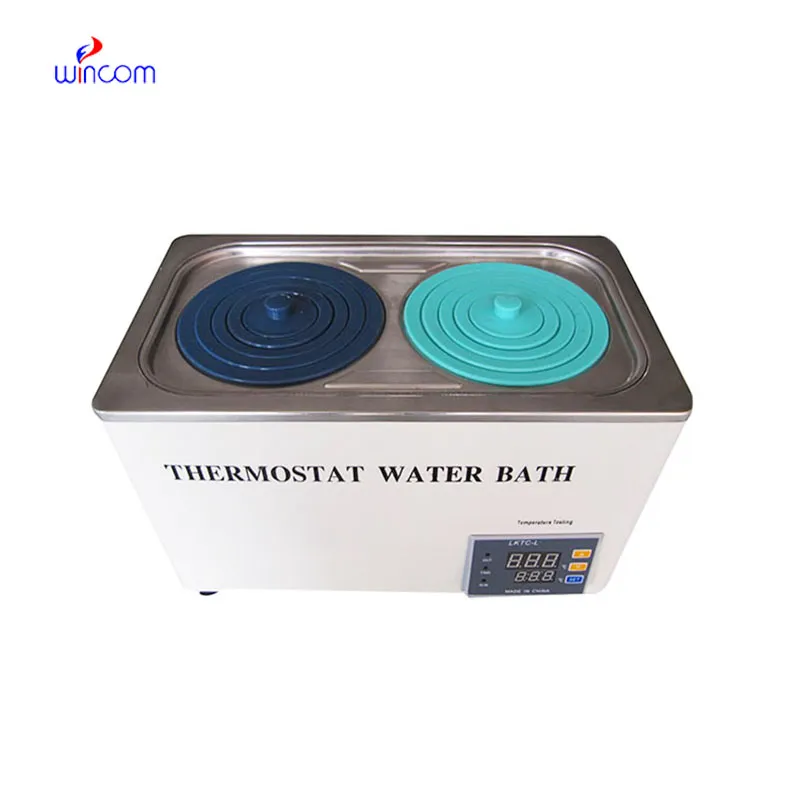
The water bath for chemistry lab is a valuable resource of laboratories in biology, chemistry, and clinical research. The water bath for chemistry lab is most commonly used for warming cultures, pre-warming reagents, softening substrates, and adjusting sample temperatures. In microbiology, the water bath for chemistry lab is applied to grow bacterial cultures at controlled temperatures. In chemistry laboratory facilities, it is applied to reaction kinetics and digestion reactions of samples. Pharmaceutical facilities utilize the water bath for chemistry lab for product testing and stability tests. Its precise temperature control yields consistent results, supporting research and quality control procedures.
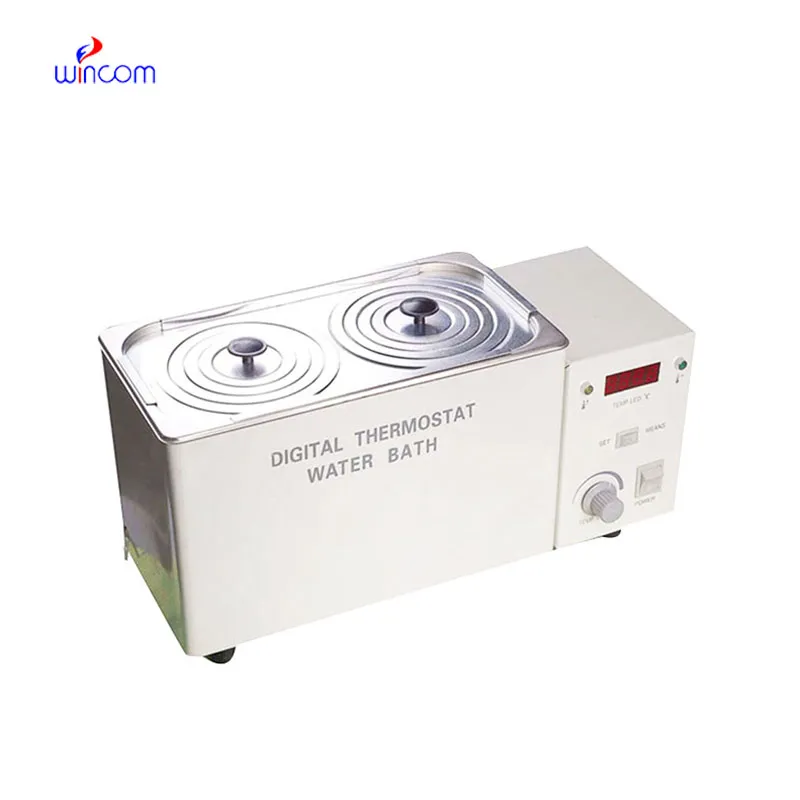
The future of water bath for chemistry lab is one of automation and intelligent design. Intelligent diagnostics will be built into the new models that recognize abnormal temperature behavior and adjust in real-time. Integration into digital laboratory platforms will allow for data synchronization for traceability and compliance. The water bath for chemistry lab will be more energy efficient with smarter heating coils and improved insulators. Because labs demand higher accuracy and environmental sensitivity, the water bath for chemistry lab will remain a standard in today's research laboratories.

The water bath for chemistry lab are durable due to ongoing cleaning and examination. Mineral deposit will affect thermal stability, and the bath thus requires draining and cleaning regularly. Distilled or deionized water must be used to prevent scaling. Calibration of the temperature controller from time to time maintains the readings in order. The control surface and outer casing can be cleaned using a damp cloth. Be sure to disconnect the power source during maintenance. These simple steps keep the water bath for chemistry lab in their optimal working state.
A water bath for chemistry lab delivers even heating for laboratory purposes where accuracy is essential. It holds water at fixed temperatures for such procedures as bacterial culture incubation, heating of reagents, and thawing of samples. The internal temperature sensors and thermostat of the **water bath for chemistry lab** facilitate even conditions during use. Its stainless-steel chamber is corrosion-resistant, with security features protecting samples from overheating. The **water bath for chemistry lab** facilitates reliability and consistency that enable precise scientific and experimental methods.
Q: What is the primary function of a water bath in the laboratory? A: A water bath is used to maintain samples at a constant temperature for extended periods, providing stable heating conditions for experiments and reactions. Q: Why is distilled water recommended for use in a water bath? A: Distilled water is preferred because it prevents mineral buildup, reduces corrosion, and helps extend the lifespan of the equipment. Q: How often should the water in a water bath be replaced? A:When contamination or visible residue occurs, it should be replaced at least once a week or more frequently to ensure cleanliness and accurate heating performance. Q: What safety measures should be taken when operating a water bath? A: Users should avoid overfilling, keep electrical components dry, and regularly check temperature controls to prevent overheating or short circuits. Q: Can a water bath be used for heating flammable liquids? A: No, flammable liquids should never be heated in a water bath, as vapors can ignite when exposed to heat or electrical sparks.
We’ve used this centrifuge for several months now, and it has performed consistently well. The speed control and balance are excellent.
The centrifuge operates quietly and efficiently. It’s compact but surprisingly powerful, making it perfect for daily lab use.
To protect the privacy of our buyers, only public service email domains like Gmail, Yahoo, and MSN will be displayed. Additionally, only a limited portion of the inquiry content will be shown.
We are planning to upgrade our imaging department and would like more information on your mri machin...
I’m looking to purchase several microscopes for a research lab. Please let me know the price list ...
E-mail: [email protected]
Tel: +86-731-84176622
+86-731-84136655
Address: Rm.1507,Xinsancheng Plaza. No.58, Renmin Road(E),Changsha,Hunan,China


 EN
 af
 es
 ar
 tr
 sw
 pt
 th
 ur
 bn
 ne
 vi
 km
 lo
 de
 ru
 fi
 nl
 fa
 fr
 ko